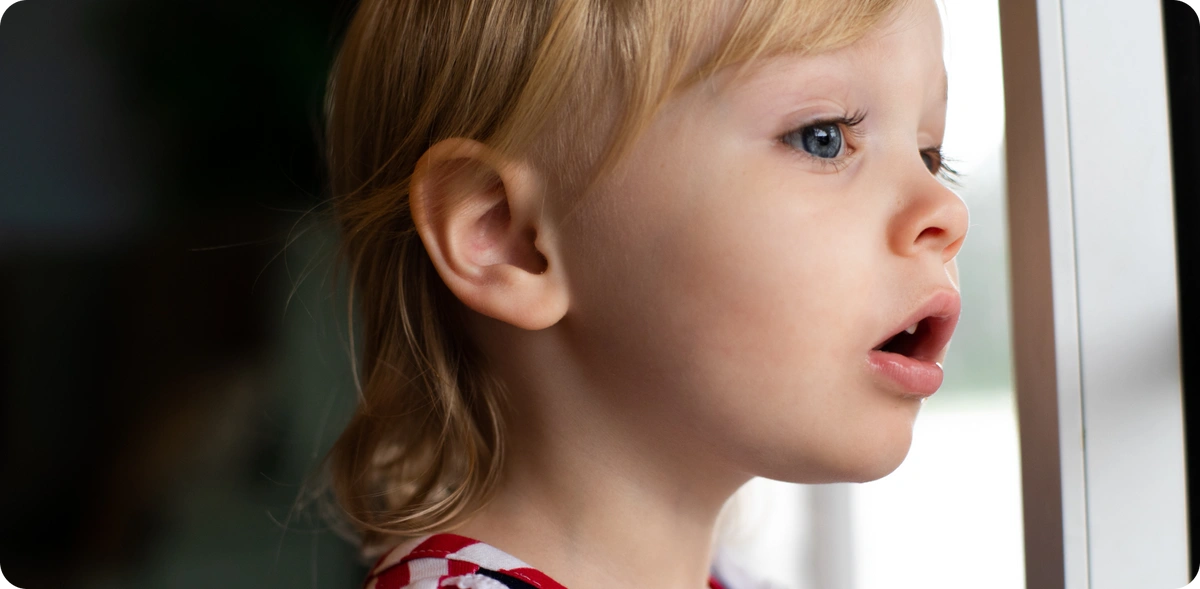
The research aimed to assess the relationship between habitual snoring (HS) in children, impaired behavior, and academic performance. The study involved 1144 children and utilized parental questionnaires, pulse oximetry to measure intermittent hypoxia, and school reports to determine academic performance. The findings revealed significant associations between HS and hyperactive, inattentive behavior, daytime tiredness, and sleepiness. These associations remained significant independently of intermittent hypoxia. HS was also linked to behavioral issues such as bad conduct, emotional symptoms, and peer problems. Follow-up results indicated that improved behavior was observed when HS ceased, suggesting that impaired behavior is closely tied to HS and potentially reversible. The study aimed to establish causal links between SDB and its effects on behavior and academic performance.
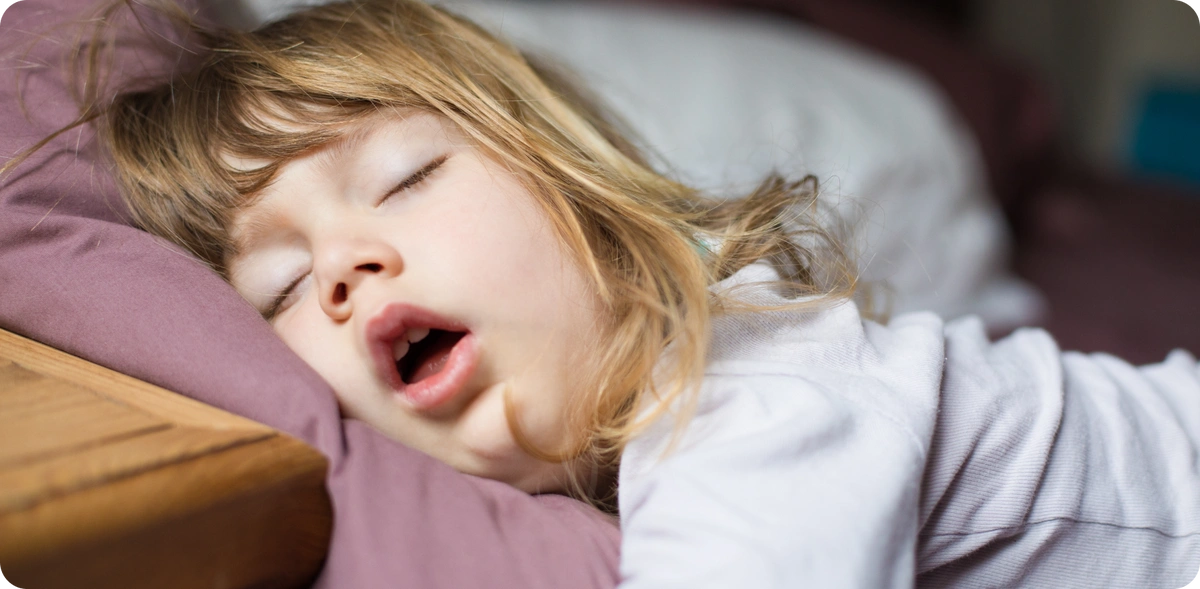
ADD/ADHD
Sleep Problems and Disorders among Adolescents with Persistent and Subthreshold Attention-deficit/Hyperactivity Disorders
This case-control study aimed to explore sleep patterns, issues, and disorders in adolescents with persistent attention-deficit/hyperactivity disorder (ADHD) and those with partially remitted ADHD symptoms. The study included 281 participants diagnosed with ADHD (145 with persistent ADHD, 136 with subthreshold ADHD) and 185 unaffected control subjects.
August 29, 2023