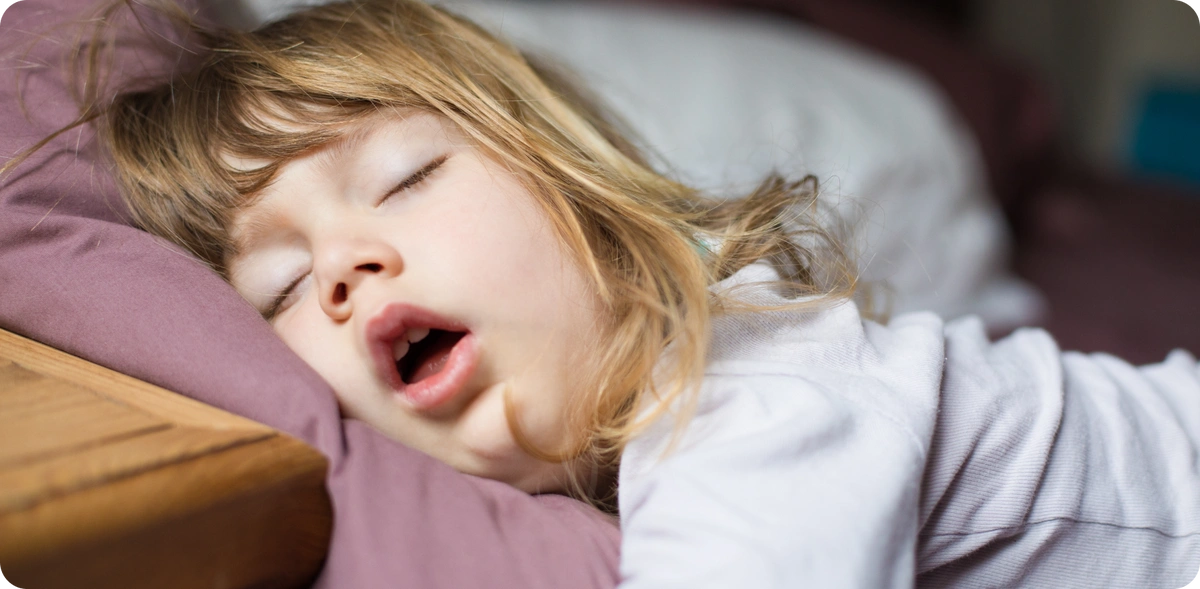
Attention-deficit/hyperactivity disorder (ADHD) is a neurodevelopmental disorder characterized by difficulties in sustaining attention, controlling impulses, and managing hyperactivity. Recent research suggests a possible link between sleep-disordered breathing (SDB) and the development or exacerbation of ADHD symptoms in children. SDB, which includes conditions like snoring and sleep apnea, can lead to fragmented sleep and intermittent drops in oxygen levels, impacting the child's overall sleep quality.
These disruptions can potentially contribute to cognitive and behavioral issues, including inattentiveness, hyperactivity, and impulsivity—core symptoms of ADHD. The disrupted sleep patterns caused by SDB might create an environment where neurological and cognitive processes are affected, potentially contributing to the manifestation of ADHD symptoms. Addressing and treating underlying sleep-disordered breathing in Toothpillow treatment could, in turn, have a positive impact on managing or alleviating ADHD symptoms in children.