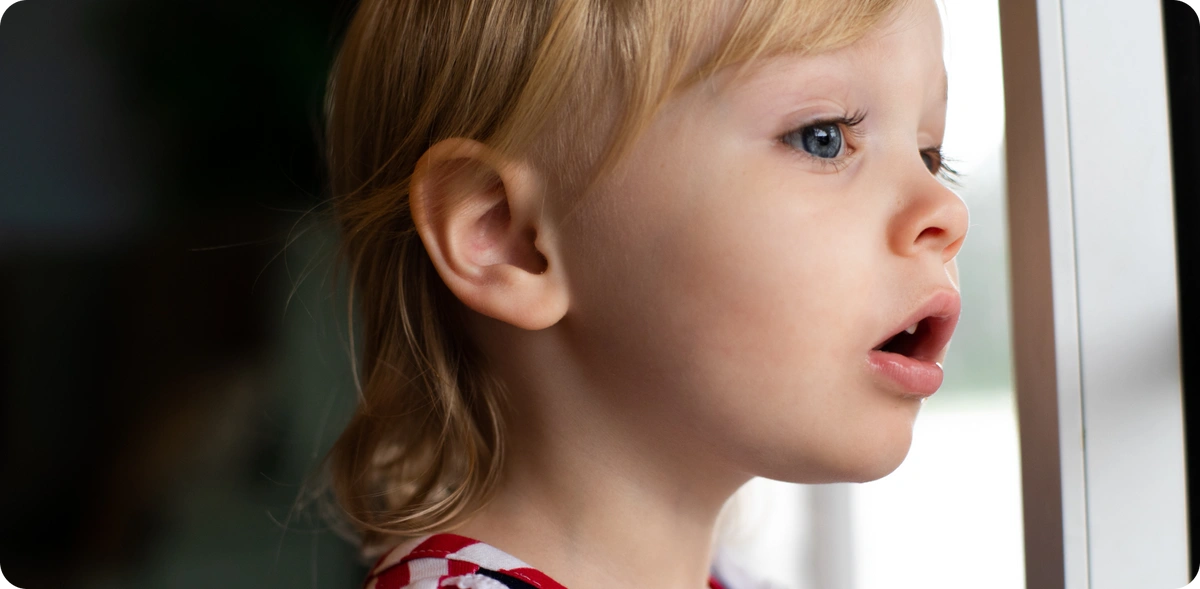
The largest and most comprehensive study of its kind conducted by researchers at Albert Einstein College of Medicine reveals that young children with sleep-disordered breathing (SDB) are at a higher risk of developing behavioral problems such as hyperactivity, aggressiveness, emotional issues, and friendship difficulties. The study followed over 11,000 children for over six years, demonstrating strong evidence linking snoring, mouth breathing, and sleep apnea to these serious behavioral and social-emotional consequences. SDB symptoms can precede and contribute to these problems. The study suggests that parents and pediatricians should closely monitor sleep-disordered breathing in young children, as early as the first year of life, and consider evaluation by specialists if symptoms are present. The study underscores the importance of recognizing and addressing sleep-disordered breathing in children to mitigate potential behavioral and emotional impacts.

ADD/ADHD
Sleep Problems and Disorders among Adolescents with Persistent and Subthreshold Attention-deficit/Hyperactivity Disorders
This case-control study aimed to explore sleep patterns, issues, and disorders in adolescents with persistent attention-deficit/hyperactivity disorder (ADHD) and those with partially remitted ADHD symptoms. The study included 281 participants diagnosed with ADHD (145 with persistent ADHD, 136 with subthreshold ADHD) and 185 unaffected control subjects.
August 29, 2023