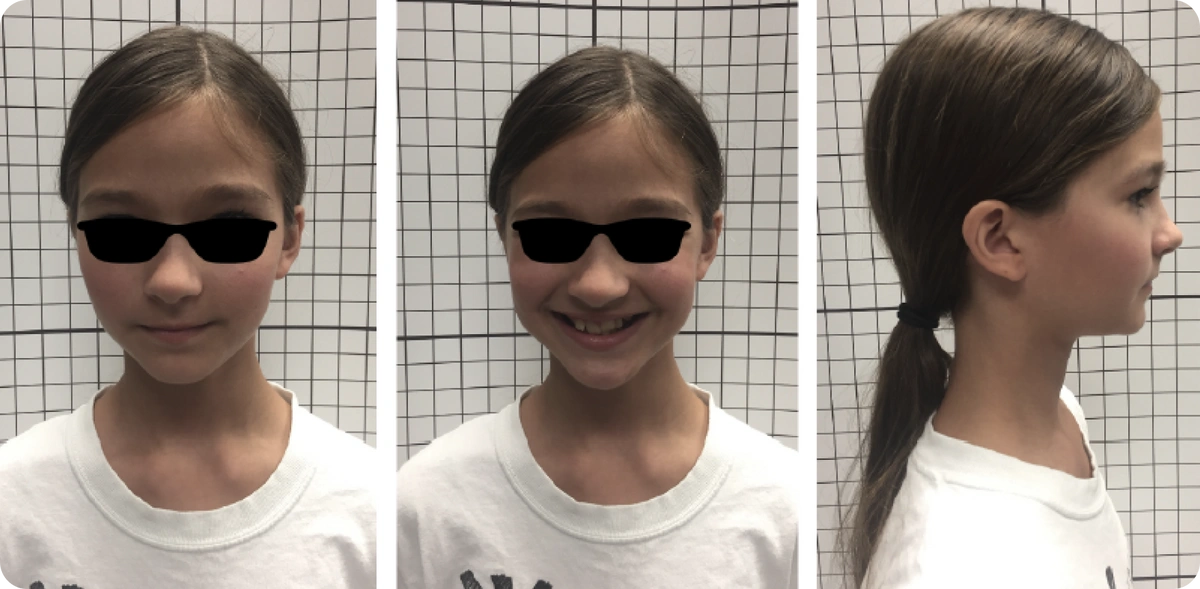
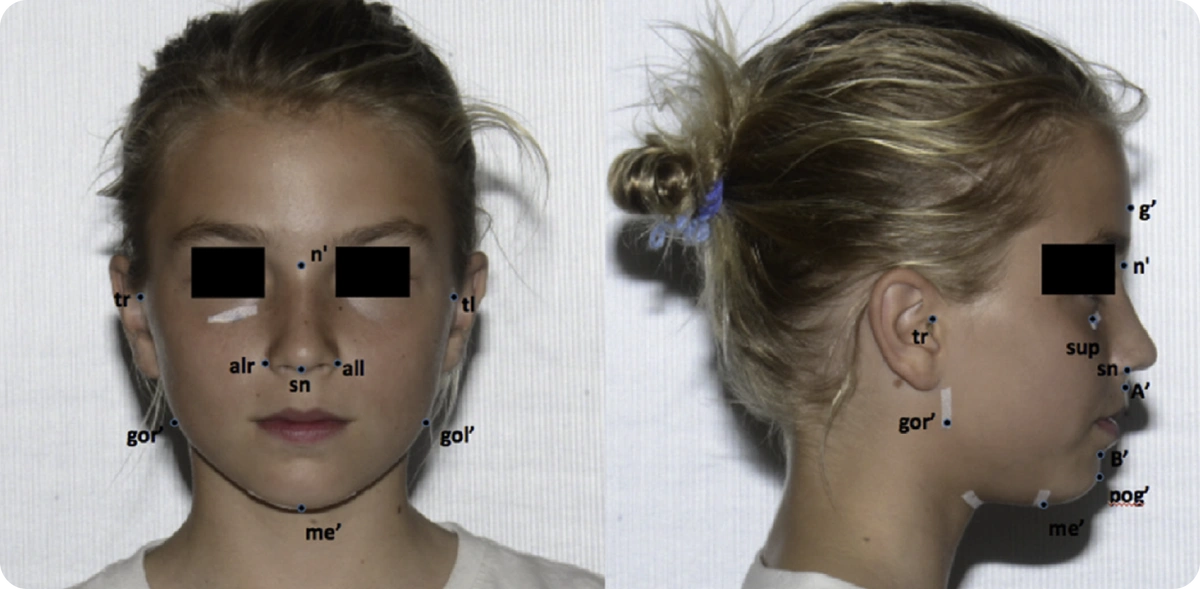
Sleep-disordered breathing (SDB) in children refers to breathing irregularities during sleep, including snoring and sleep apnea, which can have significant health implications. One contributing factor to SDB is mouth breathing. Habitual mouth breathing can lead to a chain of physiological changes, including altered tongue posture and jaw position. This can result in the narrowing of the upper airway, making it more susceptible to partial blockage during sleep.
As a result, proper airflow is compromised, potentially leading to disruptions in breathing patterns and inadequate oxygen intake. Recognizing the connection between mouth breathing and SDB is crucial in addressing and managing these issues to ensure optimal sleep quality and overall well-being in children. Toothpillow addresses mouth breathing, training the tongue to stay in the roof of the mouth and preventing or fixing symptoms of SDB.